
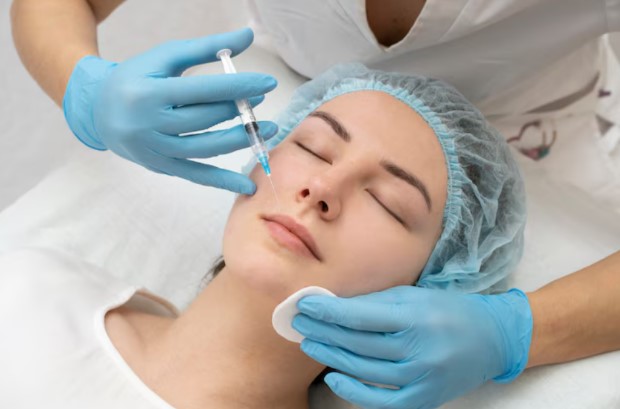

Aesthetic treatments have become increasingly popular among people who want to improve their appearance without major surgery. As demand for non-surgical cosmetic procedures grows, professionals in the beauty and healthcare fields may look for ways to improve their knowledge and practical abilities. Botox courses can provide structured education that helps learners understand the treatment process, patient needs, safety measures, and professional responsibilities.
Understanding the Basics of Botox Treatments
One of the main benefits of Botox courses is that they introduce learners to the basic principles behind Botox treatments. Students can learn how Botox works, how it is commonly used, and what results patients may expect. A strong understanding of these basics helps professionals communicate clearly with clients and make informed decisions during treatment.
The training may also cover facial anatomy and the role of different muscles in facial movement. This knowledge is important because every person’s facial structure is different. Understanding these differences can help practitioners approach treatments more carefully and professionally.
Developing Practical Aesthetic Skills
Theory is important, but practical experience is also essential when learning aesthetic procedures. Many Botox courses include hands-on training under the guidance of experienced instructors. This can help learners become more familiar with treatment techniques and develop greater confidence.
Practical sessions can also teach professionals how to assess a patient’s facial features before treatment. Learning how to plan an appropriate approach can support more natural-looking outcomes while helping practitioners understand the importance of precision and controlled techniques.
Learning About Safety and Patient Care
Safety should always be a major part of aesthetic training. Botox courses can help professionals understand important safety considerations, including patient assessment, possible risks, contraindications, hygiene, and aftercare.
Professionals can also learn how to discuss a patient’s expectations before treatment. Clear communication allows patients to understand what the procedure can and cannot achieve. It also gives practitioners an opportunity to identify concerns and determine when a treatment may not be appropriate.
Improving Professional Confidence
Starting or expanding a career in aesthetics requires both knowledge and confidence. Botox courses can provide a structured learning environment where professionals can ask questions, practice techniques, and receive feedback from qualified trainers.
With proper education and supervised practice, learners may feel better prepared to communicate with patients and perform their professional responsibilities. Confidence should come from proper training rather than simply repeating techniques without understanding their purpose.
Supporting Career Development
Aesthetic medicine is a field that continues to develop as new techniques, products, and approaches become available. Completing Botox courses can be one way for professionals to expand their existing skills and continue their education.
Depending on local laws, professional qualifications, and the course provider, training may also support professionals who want to add aesthetic services to their existing practice. It is important to choose education that is appropriate for the practitioner’s professional background and meets applicable legal and regulatory requirements.
Choosing the Right Botox Courses
Not every training program offers the same level of education. When considering Botox courses, learners should look at the instructor’s qualifications, course content, practical training, safety education, and level of post-course support.
A well-structured course should focus on responsible treatment rather than simply teaching basic injection techniques. Quality education should help professionals understand assessment, treatment planning, patient communication, safety, and aftercare.
Conclusion
Botox courses can be a valuable educational option for professionals who want to build their aesthetic knowledge and practical skills. By combining theoretical learning, supervised practice, safety education, and patient-care guidance, these courses can help learners develop a stronger professional foundation. Choosing appropriate training from a qualified provider is an important step toward building responsible and confident aesthetic practice.