

Introduction
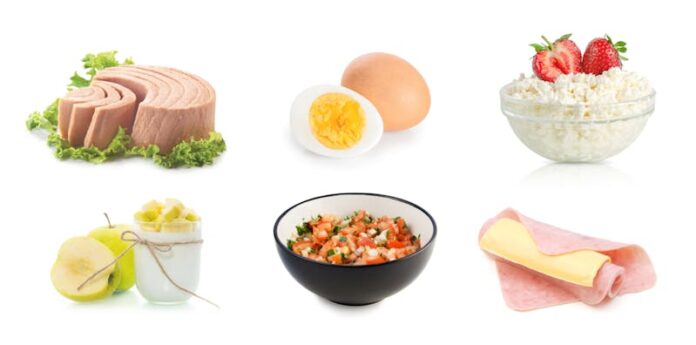
Snacking often gets a bad reputation, especially for those trying to lose weight. However, choosing the right healthy snacks can boost metabolism, curb hunger, and keep you energized throughout the day. When done correctly, snacking can actually support your weight loss goals without adding guilt.
Understanding Healthy Snacks
Eating healthy snacks isn’t just about avoiding junk food; it’s about providing your body with nutrients that sustain energy, keep blood sugar stable, and reduce cravings. Healthy snacks combine macronutrients like protein, fiber, and healthy fats to help you stay full longer.
What Are Healthy Snacks?
Healthy snacks are nutrient-dense foods consumed between meals that help maintain energy levels without excessive calories. Unlike processed snacks, these options focus on whole foods like fruits, vegetables, nuts, seeds, and dairy alternatives.
Key characteristics of healthy snacks include:
- Rich in fiber or protein to support satiety
- Minimal added sugar or unhealthy fats
- Portion-controlled to avoid overeating
For weight loss, healthy snacks are essential because they prevent sudden spikes in hunger that can lead to overeating during main meals.
Benefits of Eating Healthy Snacks
Healthy snacking offers multiple benefits:
- Maintains Energy Levels: Choosing the right snacks ensures a steady supply of energy without sugar crashes.
- Supports Weight Loss Goals: Snacks high in protein and fiber help reduce overall calorie intake by curbing hunger.
- Improves Nutrient Intake: They can fill nutritional gaps between meals, especially if they include fruits, vegetables, or nuts.
- Reduces Cravings: Strategic snacking can prevent the temptation to reach for processed, high-calorie foods.
Smart snacking boosts energy, curbs cravings, and supports weight loss by keeping you full with nutritious, guilt-free options throughout the day.
Healthy Snacks for Different Needs
Not all healthy snacks are created equal. Depending on age, health goals, or conditions like diabetes, snack choices may vary. Understanding what works for you is key to achieving results.
What Are Healthy Snacks for Kids?
Kids need snacks that provide energy and essential nutrients for growth and brain development. Healthy snack options for children include:
- Fresh fruit slices like apples, pears, or berries
- Whole-grain crackers with hummus
- Yogurt with a sprinkle of nuts or seeds
Parents should avoid snacks high in sugar and refined flour, as they can lead to energy crashes and affect focus. Introducing colorful, fun, and easy-to-eat options can make healthy snacking enjoyable for kids.
What Are Healthy Snacks for Weight Loss?
Weight-loss-friendly snacks are nutrient-dense and low in empty calories. They focus on protein, fiber, and healthy fats, which help keep hunger at bay. Popular options include:
- Greek yogurt with chia seeds
- Roasted chickpeas or edamame
- A handful of almonds or walnuts
These snacks help maintain lean muscle mass while promoting fat loss, making them perfect for anyone aiming to lose weight without compromising nutrition.
What Are Healthy Snacks for Diabetics?
For diabetics, snacks should prevent blood sugar spikes while providing steady energy. Good options include:
- Raw vegetables with hummus
- Nuts and seeds
- Low-sugar fruits like berries or apples
Avoid snacks high in refined sugar, white bread, or processed foods. The goal is to maintain a stable glycemic response and prevent sudden fluctuations in energy levels.
How to Choose the Right Snacks for Weight Loss
Choosing the right snacks involves understanding your personal needs, your daily calorie goals, and the nutritional content of foods.
Nutritional Guidelines for Weight Loss Snacks
When selecting snacks for weight loss, consider the following:
| Nutrient Focus | Why It Matters |
|---|---|
| Protein | Keeps you full, supports muscle maintenance, and boosts metabolism |
| Fiber | Slows digestion, reduces cravings, and helps with bowel regularity |
| Healthy Fats | Stabilizes blood sugar and prolongs satiety |
| Low Added Sugars | Reduces unnecessary calorie intake and prevents insulin spikes |
| Portion Control | Prevents excess calorie consumption while maintaining satisfaction |
Portion Control and Timing
Even healthy snacks can contribute to weight gain if eaten in large quantities. Stick to recommended serving sizes and plan snack timing strategically:
- Mid-morning: Helps maintain energy between breakfast and lunch
- Mid-afternoon: Prevents overeating at dinner
Pre-portion snacks like nuts or yogurt to avoid mindless eating directly from the container.
Quick and Easy Healthy Snack Ideas
Many people skip healthy snacking due to time constraints. However, quick and easy options can be prepared in minutes, making healthy snacking simple and accessible.
Snacks You Can Prepare in Minutes
- Apple slices with almond butter
- Carrot or cucumber sticks with guacamole
- Cottage cheese with berries
On-the-Go Snacks for Busy Lifestyles
- Roasted chickpeas in small packets
- Mixed nuts or trail mix without added sugar
- Protein bars with at least 10g protein and minimal sugar
These options are portable and perfect for busy professionals, students, or parents.
Snacks That Keep You Full Longer
Hunger between meals can sabotage weight loss goals, but choosing high-satiety snacks can prevent this.
High-Protein Options
Protein is the most filling macronutrient, making it ideal for snacks. Examples include:
- Hard-boiled eggs
- Greek yogurt
- Edamame or roasted soy nuts
Fiber-Rich Snacks
Fiber slows digestion and increases feelings of fullness. Great fiber snacks include:
- Fresh fruit like apples, pears, and berries
- Raw vegetables with dip
- Popcorn (air-popped, unsalted)
- Combining protein and fiber in a snack helps maximize fullness.
- Avoid high-carb snacks with low fiber—they trigger hunger quickly.
Common Mistakes to Avoid with Healthy Snacks
Even with the best intentions, some snacking habits can hinder weight loss progress.
Hidden Sugars and Unhealthy Additives
Many packaged “healthy” snacks contain hidden sugars, hydrogenated oils, or artificial flavorings. Always check labels and prioritize whole foods.
Overeating “Healthy” Snacks
Portion control is essential. Nuts, seeds, and dried fruits are nutrient-dense but calorie-heavy. Eating more than recommended can add extra calories unnoticed.
Conclusion: Make Healthy Snacking a Habit
Healthy snacking is more than a diet tactic—it’s a lifestyle choice. By selecting nutrient-dense, portion-controlled options and timing snacks strategically, you can support weight loss while keeping energy levels steady and cravings in check.
Choose nutrient-dense snacks like nuts, yogurt, and veggies to stay full, energized, and on track with your weight loss journey without guilt.
Consistency is key. Planning snacks in advance, keeping them accessible, and choosing options suited to your personal needs will make healthy snacking effortless and enjoyable.
Smart snacking habits help manage weight, stabilize blood sugar, and maintain energy, making healthy choices a sustainable part of your lifestyle.
Read More:- How to Use a Calorie Calculator for Weight Loss and Meal Planning