
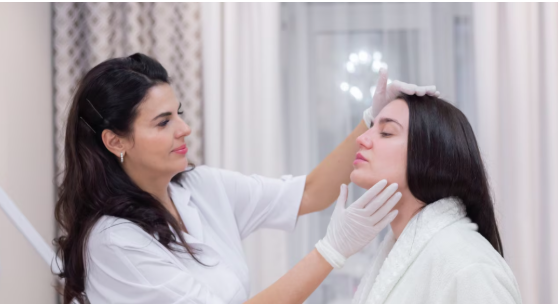

In the rapidly expanding landscape of aesthetic medicine, the primary objective for any practitioner must always be the welfare of the patient. While the demand for non-surgical rejuvenation continues to surge, the potential for complications remains a reality for those who lack proper instruction.
For healthcare providers entering this field, participating in comprehensive botox courses is not merely a professional credential—it is the foundational step in ensuring the highest standards of patient safety.
By integrating rigorous clinical education with a commitment to ethical practice, practitioners can confidently deliver aesthetic results while mitigating risks and maintaining the integrity of their clinical work.
Understanding Facial Anatomy to Prevent Complications
The cornerstone of safety in aesthetic injections is a deep, clinical understanding of facial anatomy. Without this knowledge, practitioners risk injecting into incorrect planes or near sensitive structures, leading to issues such as unintended muscle weakness, asymmetry, or vascular compromise.
Reputable botox courses emphasize the necessity of mapping the face to identify nerve pathways and muscle dynamics before any procedure begins. When a practitioner can visualize the underlying anatomy, they are far more likely to perform treatments accurately.
This specialized knowledge transforms an aesthetic session from a generic process into a carefully calculated medical procedure that prioritizes the structural health of the patient.
Mastering Sterile Technique and Infection Control
While injectable treatments are minimally invasive, they are still medical procedures that carry a risk of infection if performed in a non-sterile environment. Professional training programs instill the vital importance of maintaining a strictly clean clinical setting.
This includes the correct preparation of the treatment area, the handling of medical supplies, and the aseptic management of the product itself.
Through supervised training, practitioners learn that safety extends beyond the injection itself; it includes the entire workflow, from the moment a patient enters the room until they leave.
Adherence to these strict protocols is what differentiates a responsible professional from an amateur, ensuring that every patient is protected.
Developing Skills in Recognizing and Managing Adverse Events
Even with the most precise techniques, unforeseen reactions can occur. A critical component of high-quality botox courses is the education provided on how to identify and manage potential adverse events quickly.
Practitioners are taught the early warning signs of complications and the specific protocols required to stabilize the situation. Having the confidence and the established plan to act during an emergency is an essential skill that cannot be gained through self-study.
By undergoing this training, you gain the maturity to handle clinical challenges with poise, ensuring that patient safety remains the top priority regardless of the outcome.
Setting Realistic Expectations Through Consultations
Patient safety also encompasses the psychological well-being and satisfaction of those receiving treatment. A thorough consultation is a safety measure in itself, as it allows the provider to screen for contraindications and ensure that the patient’s goals are realistic and achievable.
Training programs teach practitioners how to conduct these assessments with empathy and clarity. By clearly explaining what the procedure can and cannot do, you prevent the dissatisfaction that often leads to repeat or unnecessary treatments.
Clear communication is a vital safety skill that ensures patients are fully informed participants in their own care journey.