

Introduction
Mental health matters in every stage of life, influencing how people think, feel, and function daily. As awareness grows worldwide, conversations around mental health services, emotional support, and mental health test tools have become more open and necessary. People are no longer viewing mental well-being as separate from physical health. Instead, mental health matters as a core part of overall wellness, productivity, relationships, and quality of life.
Access to mental health services has expanded in recent years, offering individuals more ways to receive care, guidance, and treatment. Alongside professional support, mental health test options now allow people to reflect on their emotional state and identify early warning signs. When used responsibly, these tools help reinforce the message that mental health matters and deserves attention, understanding, and action.
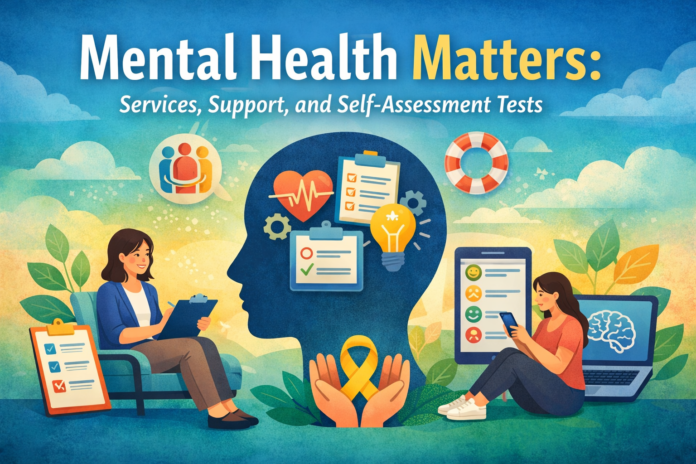
This article explores why mental health matters, how mental health services work, the role of mental health test tools, and how individuals can take informed steps toward emotional well-being.
Understanding Why Mental Health Matters
Mental health matters because it shapes how individuals cope with stress, connect with others, and make decisions. Emotional well-being directly affects physical health, job performance, academic success, and personal relationships. Ignoring mental health can lead to long-term challenges that are harder to manage later.
When mental health matters are neglected, people may experience persistent anxiety, depression, burnout, or emotional exhaustion. These struggles can quietly influence daily habits, sleep patterns, and self-esteem. Recognizing that mental health matters encourages early support-seeking behaviors and reduces stigma around mental health services.
Society has historically underestimated emotional well-being, but research consistently shows that untreated mental health concerns can worsen over time. By accepting that mental health matters just as much as physical health, individuals become more proactive in seeking help and using mental health test tools to monitor their emotional state.
The Importance of Mental Health in Everyday Life
Daily life demands emotional resilience, adaptability, and focus. Mental health matters because it affects how individuals respond to pressure, uncertainty, and change. Whether at work, school, or home, emotional balance supports healthier decision-making and stronger interpersonal connections.
People who prioritize mental health often find it easier to manage challenges without becoming overwhelmed. Mental health services provide guidance and coping strategies that improve emotional regulation. Mental health test screenings also help individuals understand their mental patterns and stress levels before concerns escalate.
Common Mental Health Challenges People Face
Many individuals experience emotional difficulties at some point in life. Stress, anxiety, depression, trauma, and burnout are among the most common concerns addressed through mental health services. When mental health matters are ignored, these challenges may intensify and affect physical health and relationships.
Mental health test tools can help identify symptoms early, encouraging timely professional support. Recognizing challenges does not indicate weakness. Instead, it reflects an understanding that mental health matters and deserves proactive care.
Overview of Mental Health Services
Mental health services encompass a wide range of professional support options designed to help individuals manage emotional, psychological, and behavioral concerns. These services play a crucial role in reinforcing that mental health matters and should be addressed with the same seriousness as physical conditions.
Mental health services may include counseling, therapy, psychiatric evaluations, crisis intervention, and long-term treatment plans. They are delivered by trained professionals such as psychologists, psychiatrists, therapists, and social workers. Access to mental health services allows individuals to receive personalized care based on their unique needs.
Types of Mental Health Services Available
Mental health services vary depending on the severity and nature of concerns. Some individuals seek short-term counseling to manage stress, while others require ongoing therapeutic support. Community clinics, private practices, hospitals, and digital platforms all provide mental health services.
As mental health matters gain more recognition, online mental health services have become increasingly popular. Virtual therapy sessions and digital mental health test tools offer flexibility and privacy, making care more accessible to diverse populations.
Professional Mental Health Support Options
Professional support includes therapy sessions, psychiatric care, and medication management when necessary. These mental health services aim to improve emotional stability and coping mechanisms. Mental health professionals also guide individuals through self-awareness exercises and mental health test results.
Understanding that mental health matters helps individuals commit to treatment plans and trust the process. Professional support is especially important when mental health test results indicate moderate to severe emotional distress.
How to Choose the Right Mental Health Service
Selecting appropriate mental health services depends on personal goals, symptoms, and preferences. Some people benefit from talk therapy, while others require clinical intervention. Mental health test assessments often serve as a starting point to determine the level of care needed.
When mental health matters are prioritized, individuals are more likely to research providers, ask questions, and seek second opinions if necessary. Choosing the right mental health services improves treatment outcomes and long-term emotional well-being.
Mental Health Matters Across All Life Stages
Mental health matters at every age, from childhood through older adulthood. Emotional needs evolve over time, and mental health services adapt to meet these changing demands. Early support builds resilience, while ongoing care helps individuals navigate life transitions.
Ignoring emotional well-being at any stage can have lasting effects. Mental health test tools help identify age-specific challenges and guide appropriate interventions.
Mental Health Support for Children and Teens
Young people face unique pressures related to academics, social identity, and family dynamics. Mental health services for children and teens focus on emotional development, behavioral regulation, and coping skills.
Mental health test screenings used in schools and pediatric settings help detect early signs of anxiety, depression, or learning-related stress. Teaching young people that mental health matters fosters healthy emotional habits that last into adulthood.
Mental Health Services for Adults and Seniors
Adults often experience stress related to careers, finances, relationships, and caregiving responsibilities. Mental health services support adults in managing these pressures while maintaining emotional balance. Mental health test assessments help track changes in mood, stress, and cognitive health.
For seniors, mental health matters in maintaining independence and quality of life. Services address loneliness, grief, and age-related cognitive changes. Mental health test tools also help identify early signs of depression or memory concerns.
Mental Health Tests and Self-Assessment Tools
A mental health test is a structured screening tool designed to assess emotional well-being, stress levels, or specific symptoms. These tests are not diagnostic but provide valuable insights into mental patterns and potential concerns. When mental health matters, self-assessment becomes a powerful first step toward awareness.
Mental health test tools are widely available online and through healthcare providers. They encourage reflection and prompt individuals to seek mental health services when necessary.
What Is a Mental Health Test?
A mental health test typically consists of standardized questions that measure mood, anxiety, stress, or behavioral patterns. The results indicate whether further evaluation by mental health services may be beneficial.
Understanding mental health matters helps individuals use these tools responsibly. A mental health test should never replace professional diagnosis but can support informed decision-making.
Benefits and Limitations of Mental Health Self-Assessment
Self-assessment tools empower individuals to monitor emotional well-being privately. Mental health test results can validate feelings and encourage help-seeking behavior. They are particularly useful for individuals unsure about reaching out to mental health services.
However, limitations exist. Mental health test results depend on honest responses and cannot capture complex emotional experiences fully. Professional mental health services remain essential for accurate diagnosis and treatment.
When to Seek Professional Help After a Mental Health Test
When a mental health test indicates persistent distress, difficulty functioning, or emotional overwhelm, professional support is recommended. Mental health services provide personalized care and evidence-based treatment.
Recognizing that mental health matters helps individuals take test results seriously without fear or stigma. Early intervention often leads to better outcomes and improved emotional resilience.
Comparison of Mental Health Support Options
| Support Type | Purpose | Best For |
|---|---|---|
| Mental Health Services | Professional diagnosis and treatment | Moderate to severe concerns |
| Mental Health Test Tools | Self-assessment and awareness | Early symptom recognition |
| Support Networks | Emotional encouragement | Ongoing emotional balance |
Accessing Mental Health Services and Support
Accessing mental health services remains a challenge for some due to cost, stigma, or lack of availability. However, increased awareness that mental health matters has led to policy changes and expanded access.
Digital platforms now offer mental health services remotely, reducing barriers related to transportation and scheduling. Mental health test tools also help individuals decide when professional care is needed.
How to Find Reliable Mental Health Services
Reliable mental health services are typically licensed, evidence-based, and client-centered. Researching credentials, reading reviews, and consulting healthcare providers can guide decision-making.
Mental health test results often help narrow down the type of service required. When mental health matters are taken seriously, individuals are more likely to invest time in finding appropriate care.
Overcoming Barriers to Mental Health Care
Stigma, fear, and misinformation can prevent individuals from seeking help. Education and open dialogue reinforce that mental health matters and that seeking support is a sign of strength.
Community outreach and accessible mental health services help reduce these barriers. Mental health test tools also serve as a low-pressure entry point into care.
Why Mental Health Matters
Mental health matters because it influences daily functioning, emotional resilience, and long-term well-being.
• It affects decision-making and stress management
• It impacts physical health and relationships
• It supports productivity and life satisfaction
What Are Mental Health Services?
Mental health services provide professional support for emotional and psychological well-being.
• Therapy and counseling support
• Psychiatric evaluation and treatment
• Crisis intervention and ongoing care
When to Take a Mental Health Test
A mental health test can be helpful when emotional distress affects daily life.
• Persistent stress or anxiety
• Changes in mood or behavior
• Difficulty coping with responsibilities
Taking Action When Mental Health Matters
Understanding that mental health matters encourages proactive self-care and informed decision-making. Combining mental health services with self-awareness tools creates a balanced approach to emotional wellness.
Mental health test screenings help individuals recognize patterns, while professional services provide structured support. Together, these resources empower individuals to take control of their emotional health.
Building Healthy Mental Habits
Healthy habits such as mindfulness, emotional expression, and stress management reinforce the message that mental health matters. Consistency in self-care supports long-term well-being and emotional stability.
Mental health services often incorporate habit-building strategies, while mental health test tools track progress and highlight areas needing attention.
Combining Mental Health Services with Self-Assessment
Self-assessment and professional care work best together. Mental health test results inform treatment decisions, while mental health services provide guidance and accountability.
When mental health matters are prioritized, individuals create sustainable routines that support emotional growth, resilience, and overall quality of life.
Read More:- Mental Health Explained: Definition, Counselors, and 24/7 Hotlines