


Introduction
Inner thigh training is often overlooked in favor of more visible muscle groups like the quadriceps or glutes, yet it plays a vital role in overall lower body strength, balance, and joint health. Understanding how to workout your inner thigh properly can improve athletic performance, posture, and daily movement patterns while also contributing to a more sculpted lower body. The inner thighs, medically known as the adductor muscles, are responsible for drawing the legs inward and stabilizing the hips and pelvis during walking, running, and lifting.
Many people assume inner thigh workouts are only about aesthetics, but the truth is far deeper. Strong adductors reduce the risk of groin injuries, support knee alignment, and enhance functional strength. Whether you are new to exercise or an experienced lifter, learning how to workout your inner thigh effectively can elevate your entire fitness routine.
Understanding Inner Thigh Anatomy
Before diving into exercises, it is essential to understand the muscles you are targeting. The inner thigh is composed primarily of five adductor muscles: adductor longus, adductor brevis, adductor magnus, gracilis, and pectineus. These muscles originate from the pelvis and attach to the femur, working together to control hip adduction, stabilization, and rotation.
When you walk or stand on one leg, your inner thighs activate to keep your pelvis level. During squats and lunges, they assist the glutes and quadriceps in controlling the movement. Because these muscles are involved in so many daily actions, weakness in this area often leads to compensations elsewhere, such as knee pain or hip discomfort. A proper understanding of how to workout your inner thigh begins with recognizing its role in full-body mechanics.
Why Inner Thigh Training Is Important
Inner thigh training is not just for athletes or bodybuilders. It benefits anyone who wants better movement quality and injury prevention. Strong adductors improve lateral stability, which is essential for sports involving quick direction changes. They also help maintain balance as you age, reducing the risk of falls.
From an aesthetic perspective, inner thigh exercises can help create a more proportionate leg appearance. However, spot fat reduction is a myth, and inner thigh workouts should be combined with overall strength training and proper nutrition. When people ask how to workout your inner thigh, the answer always involves consistency, progressive overload, and a holistic approach rather than quick fixes.
Common Myths About Inner Thigh Workouts
One of the most persistent myths is that you need special machines or isolation movements to target the inner thighs. While gym machines can be useful, bodyweight and free-weight exercises can be just as effective. Another misconception is that high repetitions with light resistance are the only way to train this area. In reality, the adductors respond well to both strength-focused and endurance-based training.
Many people also believe inner thigh training will make their legs bulky. This fear is unfounded, especially for those training naturally. Muscle growth depends on genetics, hormones, and nutrition. Learning how to workout your inner thigh correctly will more likely result in stronger, firmer legs rather than excessive size.
Best Principles for Inner Thigh Training
Effective inner thigh workouts follow the same principles as any strength program. Progressive overload ensures that the muscles continue to adapt by gradually increasing resistance or intensity. Proper range of motion allows the adductors to fully engage and strengthen through their natural function. Controlled tempo helps prevent momentum from taking over, ensuring the inner thighs do the work.
Mind-muscle connection is particularly important for this muscle group. Because the inner thighs often play a secondary role in compound movements, consciously focusing on their engagement can significantly improve results. These principles form the foundation of how to workout your inner thigh safely and effectively.
Key Exercises That Target the Inner Thigh
:max_bytes(150000):strip_icc()/thigh-workout-5976f9057e6e4df7837cd85684f1f5f7.jpg)
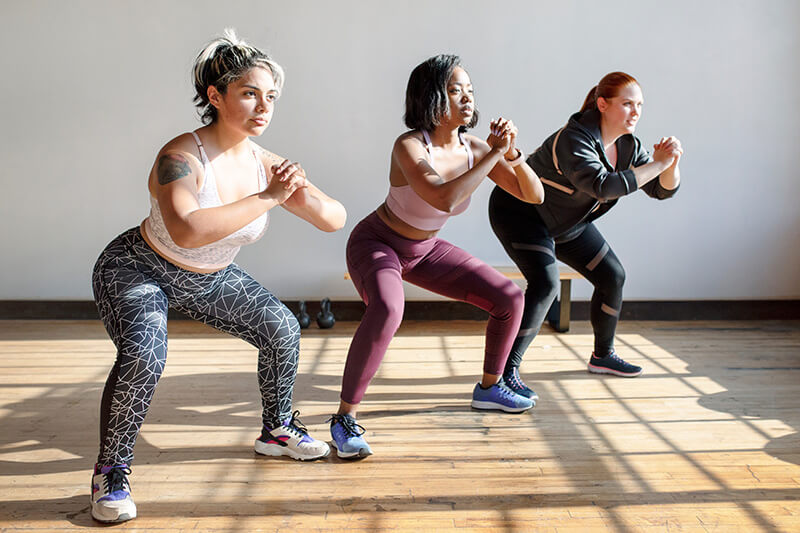
Compound lower-body movements are some of the best ways to engage the inner thighs. Squats performed with a slightly wider stance increase adductor activation. Lunges that move laterally challenge the inner thighs to stabilize and control the hips. Deadlift variations, especially sumo deadlifts, place a strong emphasis on the adductors due to the wide foot positioning.
Isolation movements can complement compound exercises by directly targeting the inner thighs. Controlled leg adduction movements and isometric holds help strengthen the muscles in a focused manner. Combining both compound and isolation exercises is the most balanced approach when deciding how to workout your inner thigh.
Bodyweight Inner Thigh Training
Bodyweight exercises are an excellent starting point for beginners or those training at home. Movements such as side lunges, isometric squeezes, and controlled squat variations allow you to build strength without external resistance. These exercises also improve mobility and coordination, which are often lacking in people with sedentary lifestyles.
The advantage of bodyweight training is that it emphasizes control and joint awareness. By slowing down the movement and focusing on muscle engagement, you can effectively train the inner thighs without placing excessive stress on the joints. This approach is especially useful for learning how to workout your inner thigh with minimal equipment.
Inner Thigh Training With Weights
Adding resistance increases the demand on the adductor muscles, leading to greater strength gains over time. Dumbbells, barbells, and resistance bands can all be used to load inner thigh movements. Weighted sumo squats and lateral lunges are particularly effective because they allow you to progressively increase resistance.
When training with weights, proper form becomes even more critical. Poor technique can shift the load away from the inner thighs and onto the knees or lower back. Gradual progression and controlled execution ensure that weighted training enhances rather than compromises your results. For those serious about how to workout your inner thigh, resistance training is a powerful tool.
Weekly Inner Thigh Workout Structure
Inner thigh muscles do not need to be trained every day. Like other muscle groups, they benefit from recovery time. Training them two to three times per week is sufficient for most individuals. These sessions can be integrated into leg days or full-body workouts.
Volume and intensity should match your experience level. Beginners may start with fewer sets and lighter resistance, while advanced trainees can handle higher loads and more challenging variations. Consistency over time is the key factor that determines success when learning how to workout your inner thigh.
Sample Inner Thigh Training Table
Below is a simple example of how inner thigh-focused exercises can be structured within a workout routine.
| Exercise Name | Sets | Repetitions | Rest Time |
|---|---|---|---|
| Wide Stance Squat | 3 | 12 to 15 | 60 seconds |
| Lateral Lunge | 3 | 10 each side | 60 seconds |
| Sumo Deadlift | 4 | 8 to 10 | 90 seconds |
| Isometric Inner Thigh Hold | 3 | 30 seconds | 45 seconds |
This table is only a reference point and can be adjusted based on fitness level and available equipment.
Recovery and Mobility for Inner Thighs
Recovery is just as important as training itself. Inner thigh muscles are prone to tightness, especially in people who sit for long periods. Gentle stretching and mobility work help maintain flexibility and reduce soreness. Proper hydration and adequate sleep also support muscle recovery and performance.
Ignoring recovery can lead to overuse injuries, particularly in the groin area. Incorporating rest days and active recovery sessions ensures that your training remains sustainable. Understanding recovery is an essential part of how to workout your inner thigh without setbacks.
Nutrition and Inner Thigh Muscle Development
Muscle growth and strength depend heavily on nutrition. Consuming adequate protein supports muscle repair, while carbohydrates provide the energy needed for effective workouts. Healthy fats play a role in hormone production and joint health, indirectly supporting training performance.
No specific food targets the inner thighs, but a balanced diet supports overall body composition changes. When combined with consistent training, proper nutrition helps reveal the muscle tone developed through learning how to workout your inner thigh correctly.
Inner Thigh Training for Different Fitness Goals
For fat loss, inner thigh exercises should be combined with full-body strength training and cardiovascular activity. This approach increases calorie expenditure and supports overall body fat reduction. For muscle building, progressive resistance and adequate calorie intake are essential.
Athletes may focus on explosive lateral movements and stability drills, while older adults may prioritize balance and joint-friendly exercises. Tailoring your approach ensures that how to workout your inner thigh aligns with your personal goals and physical needs.
Mistakes to Avoid When Training Inner Thighs

One common mistake is rushing through movements without control. This reduces muscle activation and increases injury risk. Another error is neglecting warm-ups, which are especially important for the groin muscles. Overtraining is also a concern, as the inner thighs are involved in many lower-body movements and can become fatigued quickly.
Avoiding these mistakes allows for steady progress and long-term success. A mindful approach makes all the difference when mastering how to workout your inner thigh.
Long-Term Benefits of Strong Inner Thighs
Strong inner thighs contribute to better posture, improved athletic performance, and reduced injury risk. They support hip and knee alignment, making everyday movements feel smoother and more stable. Over time, consistent training leads to improved confidence in both physical ability and appearance.
Understanding how to workout your inner thigh is not about chasing trends but about building a resilient and functional body. When trained correctly, the inner thighs become a powerful asset rather than a neglected weakness.
Conclusion
Inner thigh training deserves attention equal to other major muscle groups. By understanding anatomy, applying proper training principles, and maintaining consistency, you can achieve meaningful results. Whether your goal is strength, stability, or aesthetics, the journey begins with informed action.
Learning how to workout your inner thigh effectively is a long-term investment in your health and performance. With patience and dedication, the benefits extend far beyond appearance, supporting a stronger and more balanced body for years to come.
Read More:- Maintenance Calorie Calculator Guide for Accurate Daily Energy Needs