
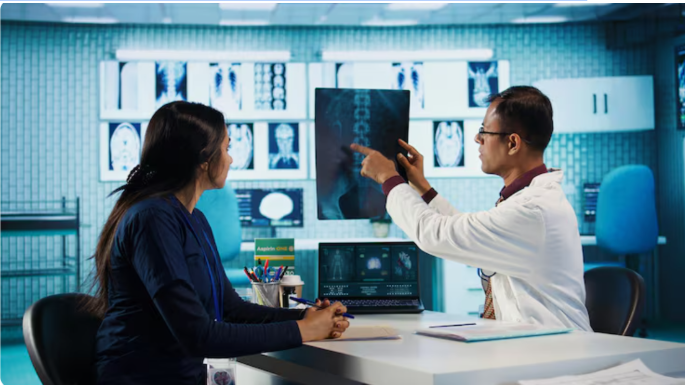

The healthcare industry continues evolving rapidly through advanced technologies that improve diagnostics, surgical precision, and patient care. Hospitals and healthcare providers worldwide are increasingly adopting innovative imaging systems that support more accurate treatment planning and clinical decision-making.
One of the most important developments shaping modern medicine is the growth of the medical imaging product category, which includes advanced imaging systems designed to improve visualization, diagnostics, and minimally invasive procedures across healthcare environments.
As digital healthcare transformation continues expanding globally, advanced imaging technologies are becoming essential components of modern healthcare infrastructure.
The Growing Importance of Medical Imaging
Accurate imaging plays a critical role in modern healthcare because it allows medical professionals to diagnose conditions earlier and perform procedures with greater precision.
Traditional diagnostic methods often provided limited visibility during medical evaluations and surgical procedures. Advanced imaging technologies transformed healthcare by introducing high-definition visualization, real-time guidance, and enhanced diagnostic accuracy.
Healthcare providers increasingly prioritize advanced imaging systems because they improve clinical performance and support safer treatment outcomes.
Modern hospitals now rely heavily on digital imaging technologies across multiple medical specialties and treatment environments.
Advancements in Medical Imaging Technology
Medical technology companies continue developing more advanced imaging systems that improve healthcare efficiency and patient care.
Modern imaging platforms now include high-definition cameras, 3D visualization, digital integration systems, and AI-powered analytics. These innovations allow healthcare professionals to access detailed imaging information during diagnostic evaluations and surgical procedures.
Some imaging technologies also integrate directly with robotic-assisted surgery systems to support highly precise minimally invasive procedures.
Artificial intelligence is further enhancing imaging accuracy by helping healthcare providers analyze medical data faster and improve diagnostic decision-making.
Benefits for Patients and Healthcare Providers
Advanced imaging technologies provide significant advantages for both healthcare professionals and patients.
Improved visualization allows doctors to diagnose conditions earlier and create more accurate treatment plans. Enhanced imaging also supports safer surgical procedures by improving procedural guidance and reducing treatment risks.
Patients often benefit from minimally invasive procedures supported by advanced imaging systems. These procedures typically result in reduced pain, shorter hospital stays, and faster recovery periods.
Hospitals also benefit from improved workflow efficiency and enhanced operational performance within healthcare environments.
Supporting Minimally Invasive and Robotic Procedures
Minimally invasive surgery continues becoming more common because it improves patient experiences while reducing healthcare costs.
Advanced imaging systems are essential in minimally invasive procedures because surgeons rely heavily on detailed visualization to operate through small incisions.
Robotic-assisted surgery platforms also depend on advanced imaging technologies to support precision-based treatment methods and improved surgical accuracy.
As robotic healthcare systems continue expanding worldwide, demand for high-performance imaging technologies is expected to grow significantly.
Rising Global Demand for Advanced Imaging Systems
The global healthcare industry continues experiencing strong demand for advanced imaging technologies due to aging populations, increasing chronic diseases, and rising healthcare investments worldwide.
Hospitals are prioritizing technologies that improve patient safety, diagnostic accuracy, and clinical efficiency. Imaging systems are becoming increasingly valuable because they support better treatment outcomes and more efficient healthcare delivery.
Emerging healthcare markets are also modernizing their medical infrastructure, creating strong opportunities for innovation and healthcare technology growth.
Digital healthcare adoption is further accelerating demand for advanced imaging platforms across global healthcare systems.
Focus on Safety and Quality Standards
Patient safety remains one of the highest priorities in healthcare technology development. Imaging systems must comply with strict international regulatory and quality standards before clinical implementation.
Manufacturers invest heavily in product testing, software development, and engineering improvements to ensure reliability and safe performance during healthcare procedures.
Healthcare professionals also receive specialized training to maximize the effectiveness and safety of advanced imaging technologies.
Continuous innovation in imaging resolution and digital integration is helping improve healthcare quality worldwide.
The Future of Medical Imaging Technology
The future of healthcare imaging will continue focusing on artificial intelligence, digital integration, and real-time healthcare analytics.
Future imaging systems may include augmented reality support, advanced 3D visualization, AI-assisted diagnostics, and enhanced robotic integration technologies.
These developments are expected to improve procedural accuracy, patient outcomes, and overall healthcare efficiency.
Healthcare providers worldwide will continue investing in imaging technologies that support precision-based care and smarter healthcare systems.
Conclusion
Advanced healthcare technologies continue transforming modern medicine through improved diagnostics, visualization, and patient care. The expanding medical imaging product category plays a major role in supporting hospitals and healthcare professionals across multiple medical specialties.
As digital healthcare and minimally invasive treatment methods continue growing, advanced imaging technologies will remain essential in the future of global healthcare innovation.